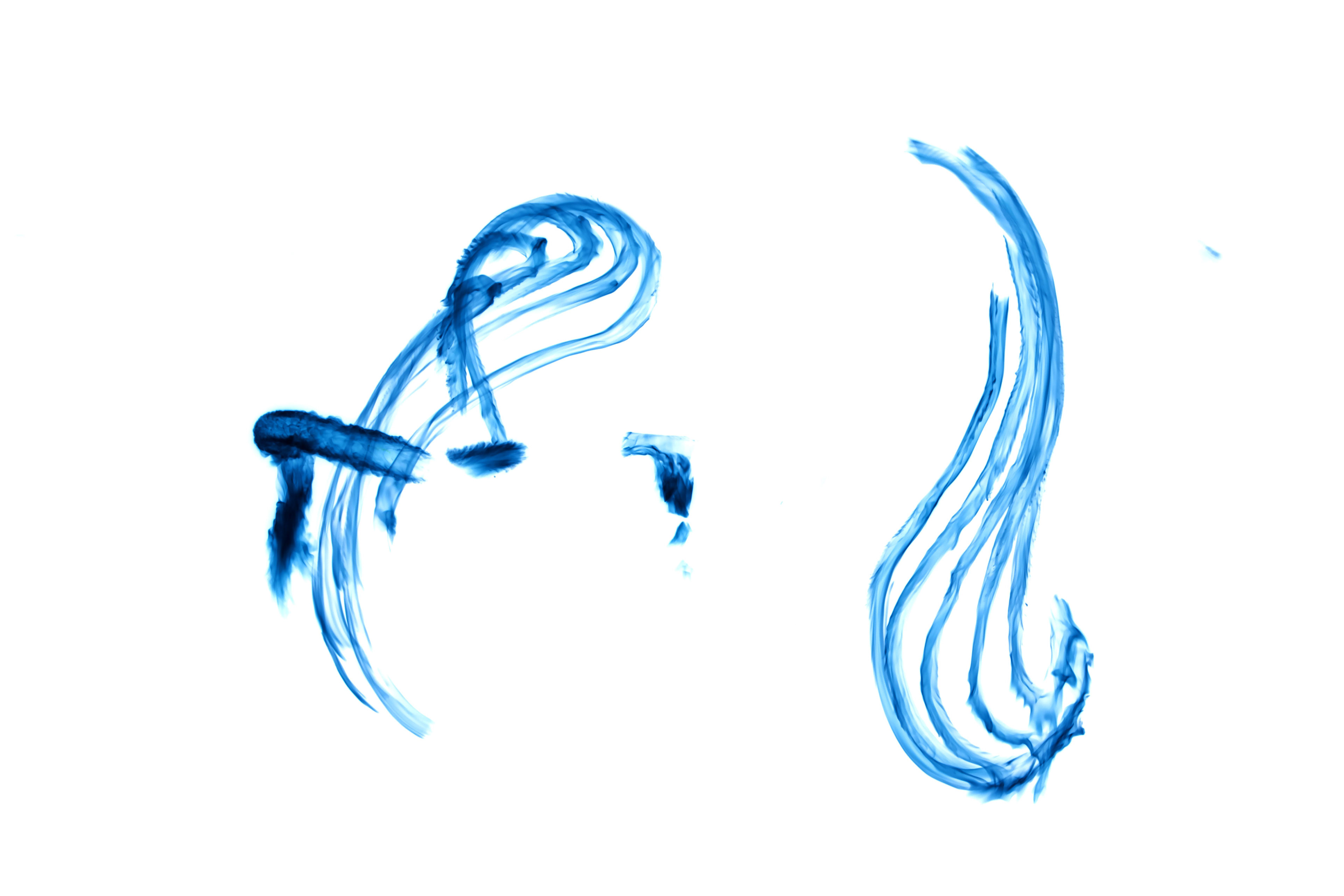
As a queer person navigating social structures, I use the camera as an instrument of disobedience. The technique I use, Intentional Camera Movement, first excited me for its mechanical disobedience -manipulations* within the camera where light stopped illuminating and instead performed as an active agent of erasure, through the power of overexposed whites in frame, followed by softened hard edges and stable light sources forming geometric pieces rooted in the language of Concrete Art. A decade later, returning to my own archive, I recognized that this "style" was never only an aesthetic choice, but a sustained condition of perception -the honesty of the blur, subverting the machine's forensic logic, where clarity is so often used as a tool of categorisation.
In Cyprus, wounds were visible from an early age - inherited as mine to witness. But were they ever mine to absorb in real time? If a wound is inherited rather than lived, does it heal, does it bleed, or does it simply wait? That inheritance carried me into my chosen home, into a structurally engraved, systematically active machinery for the erasure of the "othered" - something I could feel long before I could see it. Is distance, both technical and geographical, the only way to actually see what is closest to you?
My own decade-long archive seems to think so. Varosha, sealed inside the buffer zone since 1974, is where that erasure becomes visible: a documentary record of ideological conflict and abandonment, set against the idealized geometric order of Concrete Art. What does it mean to hold order, and the tangible consequences of its collapse, within the same body of work?
This is Yasak Bölge / Verbotene Zone. How does my eye behind the camera shift, depending on whether it feels it belongs or doesn't? What does it mean to float between a "frozen" gaze and one unsettled by identity, fragmentation, political geography, and collective memory? And what happens to a fixed "moment" - already past by the instant it is captured...
*All images are made in-camera, at exposures between 1/5 and 1/30 second. Aside from minor colour correction or conversion to monochrome/negative, no further manipulation is applied.
*All images are made in-camera, at exposures between 1/5 and 1/30 second. Aside from minor colour correction or conversion to monochrome/negative, no further manipulation is applied.